Radon is an invisible and odorless gas that can seep into homes, posing a significant health risk to residents. Understanding this silent threat is the first step towards ensuring the safety and well-being of your family. This guide from Evergreen Radon aims to walk you through the essential aspects of residential radon mitigation, from understanding its dangers to implementing effective solutions for a healthier living environment.
Understanding Radon: The Invisible Invader
Radon is a naturally occurring radioactive gas that results from the decay of uranium found in soil, rock, and water. It can enter your home through cracks in foundations, gaps around pipes, sumps, and other openings. Because it's colorless, odorless, and tasteless, the only way to know if your home has elevated levels is through radon testing. Prolonged exposure to high levels of radon is the second leading cause of lung cancer after smoking, making proper detection and mitigation crucial for all homeowners.
The Importance of Professional Radon Testing
Before any mitigation efforts can begin, accurate radon testing is essential to determine if your home's radon levels are above the acceptable limits set by environmental agencies. Professional radon testing provides precise readings, often utilizing specialized equipment like Continuous Radon Monitors (CRMs) for comprehensive data collection over a period of time. These tests measure hourly and average radon levels, along with other environmental factors like temperature and humidity, giving a complete picture of your home's radon profile. If initial results are concerning, further investigation or repeat radon testing may be recommended.
Your Guide to Residential Radon Mitigation
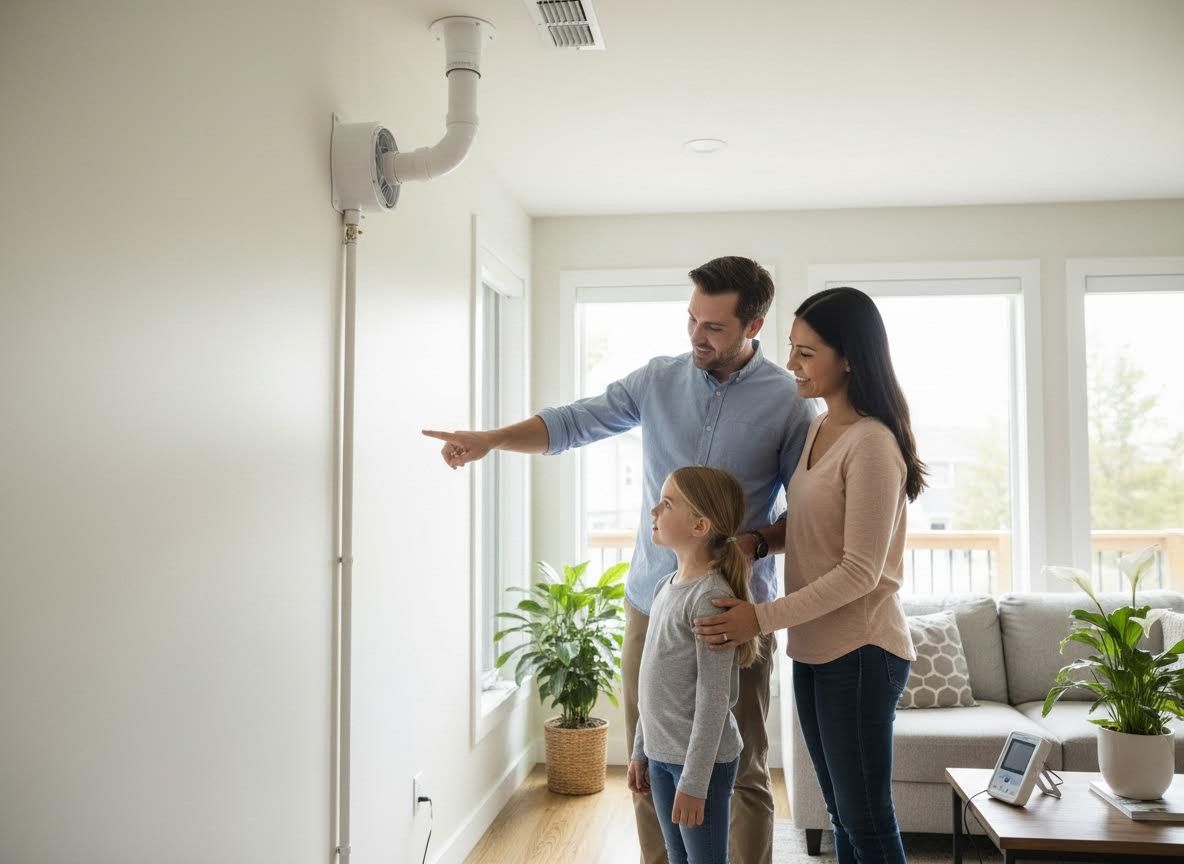
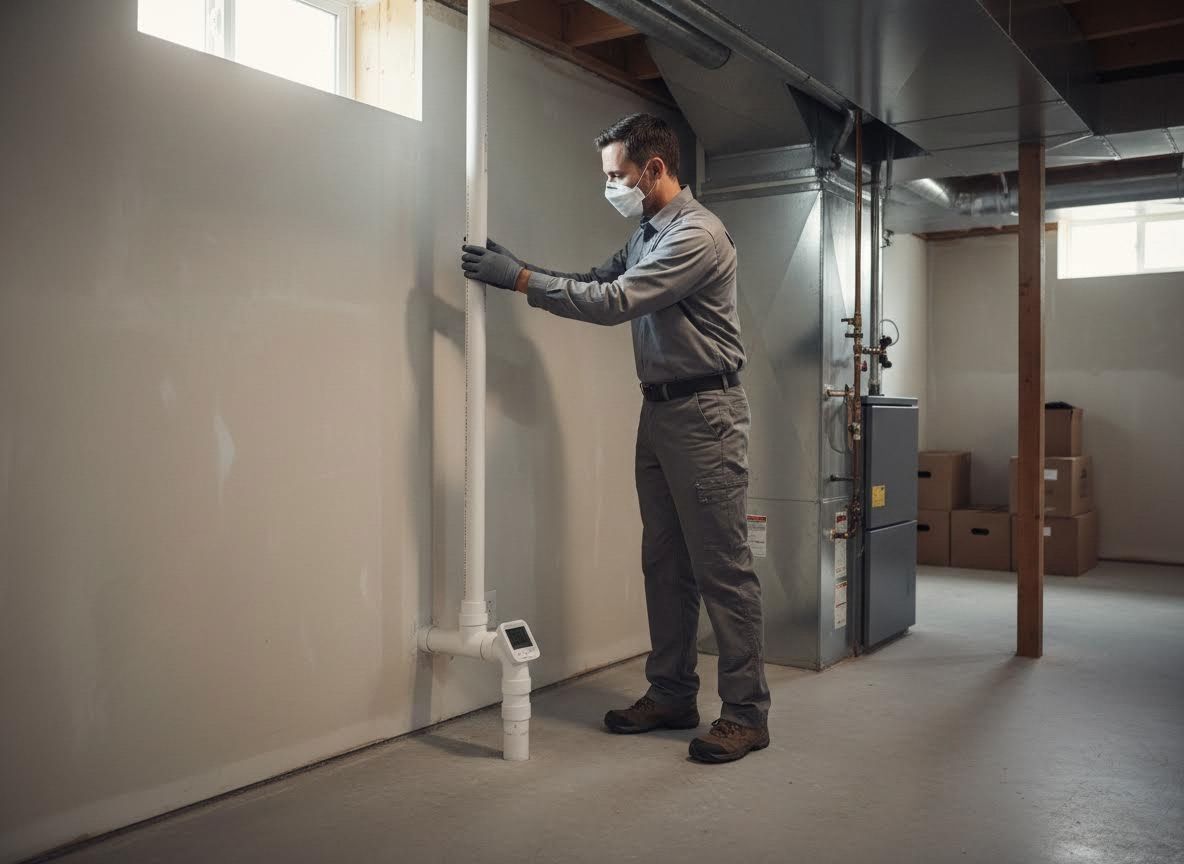
Should your radon testing reveal elevated levels, residential radon mitigation becomes a necessary step to protect your home and health. The primary goal of radon mitigation is to reduce indoor radon concentrations to safe levels. The most common and effective method for residential radon mitigation is active soil depressurization, which involves creating a vacuum beneath your home's foundation to draw radon gas from the soil and vent it safely outside. This system typically includes a fan, PVC piping, and a monitor to ensure proper operation.
What to Expect from a Radon Mitigation System
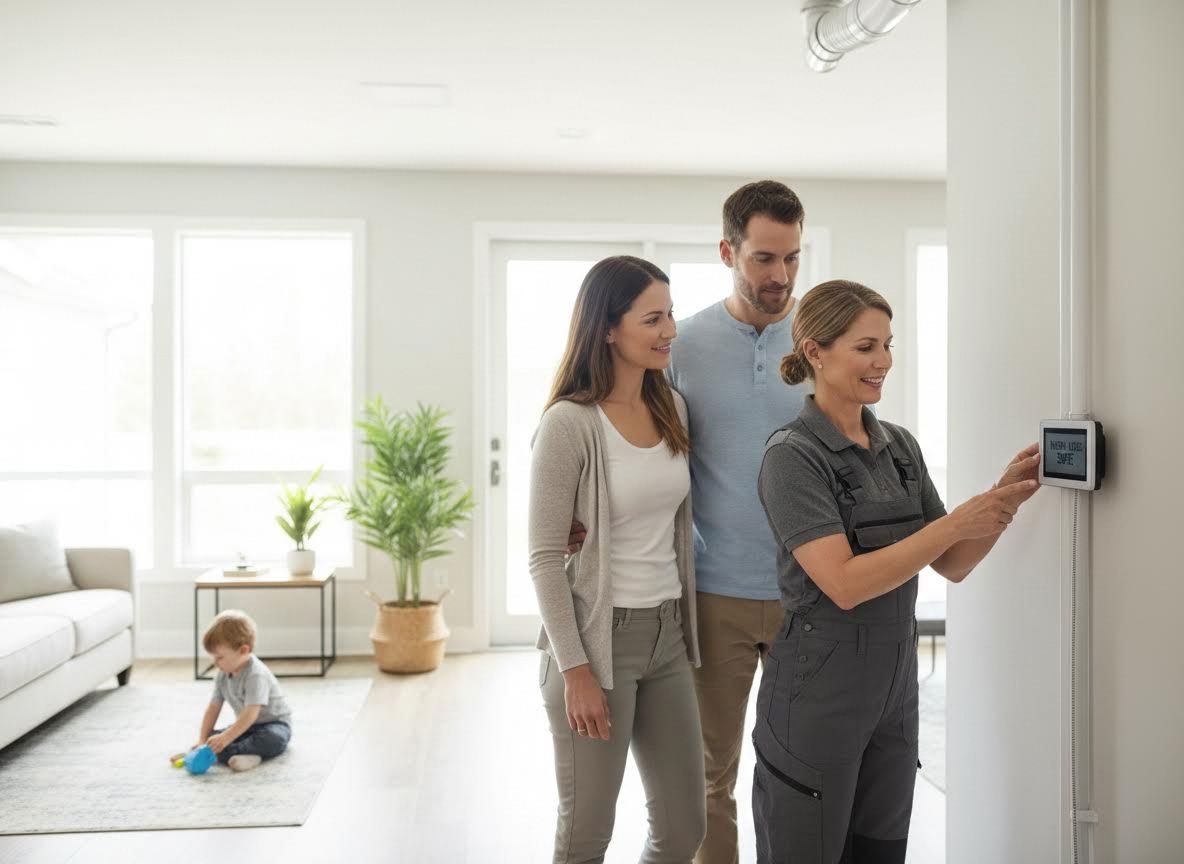
Installing a radon mitigation system is a specialized process performed by certified professionals. After the system is installed, a post-mitigation radon testing is crucial to verify its effectiveness and ensure that radon levels have been successfully lowered. While the initial focus is often on residential radon mitigation, it's worth noting that similar principles apply to commercial radon mitigation, albeit with larger scale and different structural considerations. Regular checks and maintenance of your mitigation system will help ensure its long-term effectiveness in keeping your home safe.
Protecting your home and family from the dangers of radon is a vital aspect of maintaining a healthy living environment. From accurate radon testing to effective residential radon mitigation, understanding each step is key to peace of mind. Evergreen Radon is dedicated to providing thorough assessments and reliable solutions to keep your indoor air quality safe. To learn more about radon testing options and mitigation solutions tailored for your home, we encourage you to explore our comprehensive services.