Radon is a silent, odorless, and colorless radioactive gas that can infiltrate homes and businesses, posing significant health risks over time. Understanding how to address this hazard is crucial, and for many, that means exploring radon mitigation. At Evergreen Radon, we believe in empowering our community with knowledge, and a common question we encounter revolves around the financial aspects of ensuring a safe indoor environment. This blog post aims to shed light on Your Guide To Radon Mitigation Costs, detailing the factors that influence these expenses.
Factors Influencing Radon Mitigation Costs
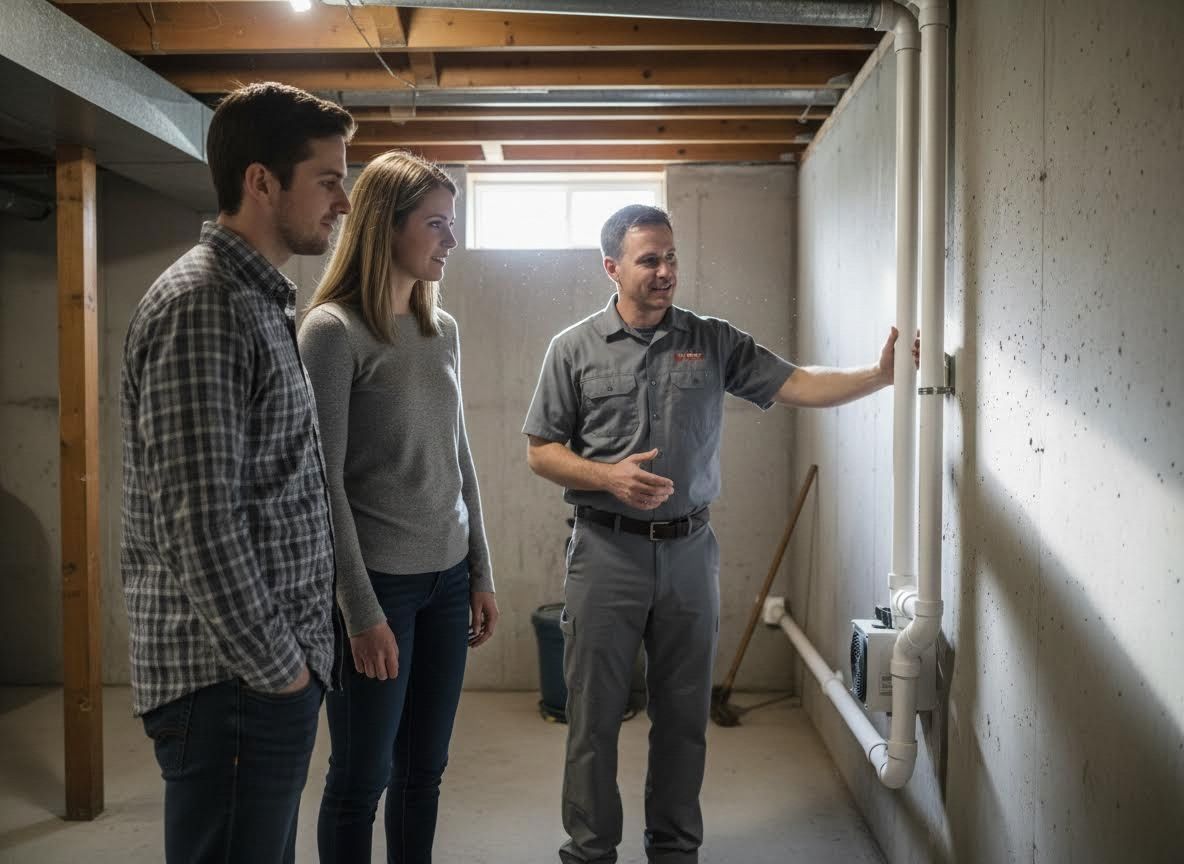
The cost of implementing radon mitigation can vary widely depending on several key factors specific to your property. One primary consideration is the foundation type of your building. Homes with basements, slab-on-grade foundations, or crawl spaces each present unique challenges and require different approaches, which can impact the overall expense. For instance, active soil depressurization systems are common and highly effective, but their installation complexity can differ based on how easily piping can be routed and sealed within your specific foundation structure. The size of the building also plays a role; larger homes or commercial properties often require more extensive systems and materials, thus increasing costs. Additionally, the existing construction of your property, such as the presence of sumps, drains, or other penetrations in the foundation, can affect the labor and materials needed for a proper seal.
Typical Radon Mitigation System Components and Installation
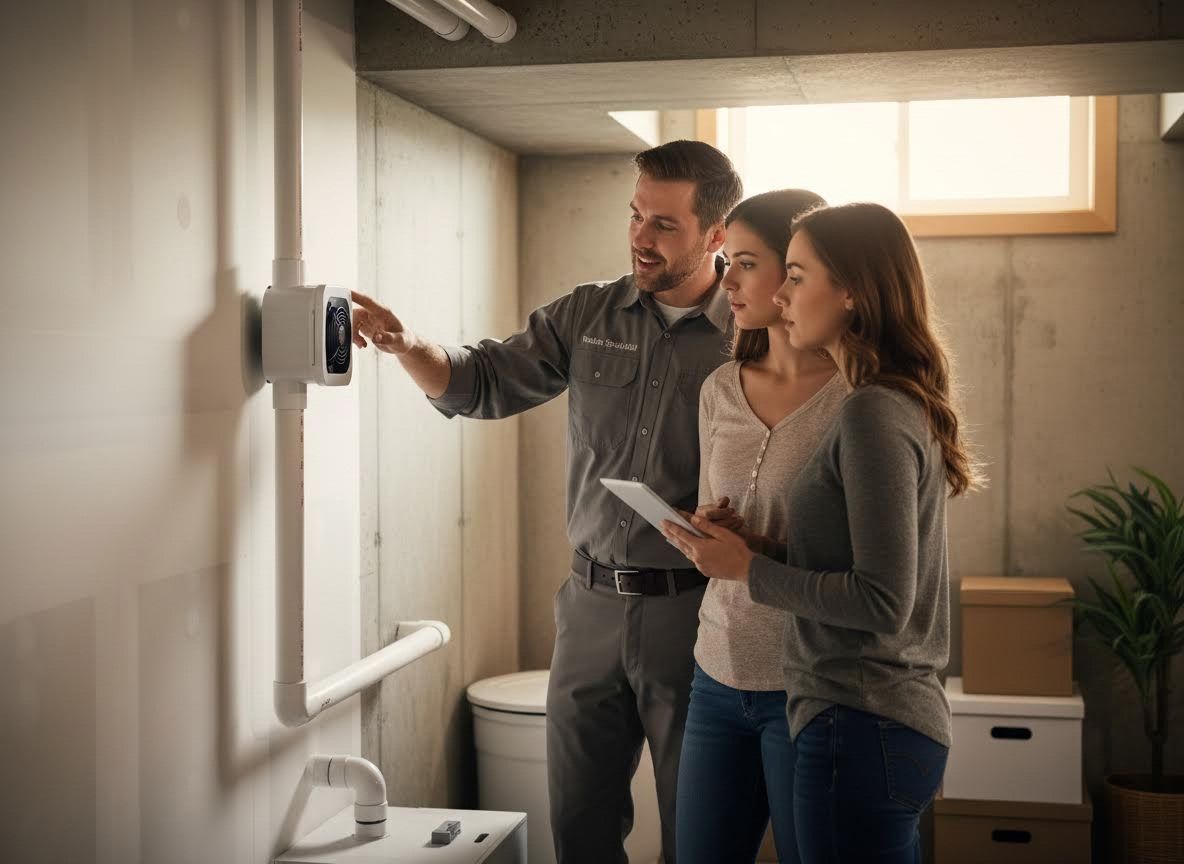
A standard radon mitigation system usually involves creating a vacuum beneath your home's foundation to draw radon gas out before it can enter your living spaces, venting it safely above the roofline. This process typically includes installing a fan, PVC piping, and sealing any foundation cracks or openings. The quality and type of fan selected can influence costs, with more energy-efficient or quieter models sometimes being a higher upfront investment. The amount of piping needed, based on the height of your building and the distance to a suitable outdoor venting point, also contributes to the material costs. Furthermore, sealing entry points like cracks in floors and walls, utility penetrations, and sump pump covers is a critical step in effective residential radon mitigation, ensuring the system operates efficiently. For commercial radon mitigation, the scale and complexity of the building's infrastructure will significantly dictate the scope and cost of the installation.
The Value of Professional Radon Mitigation
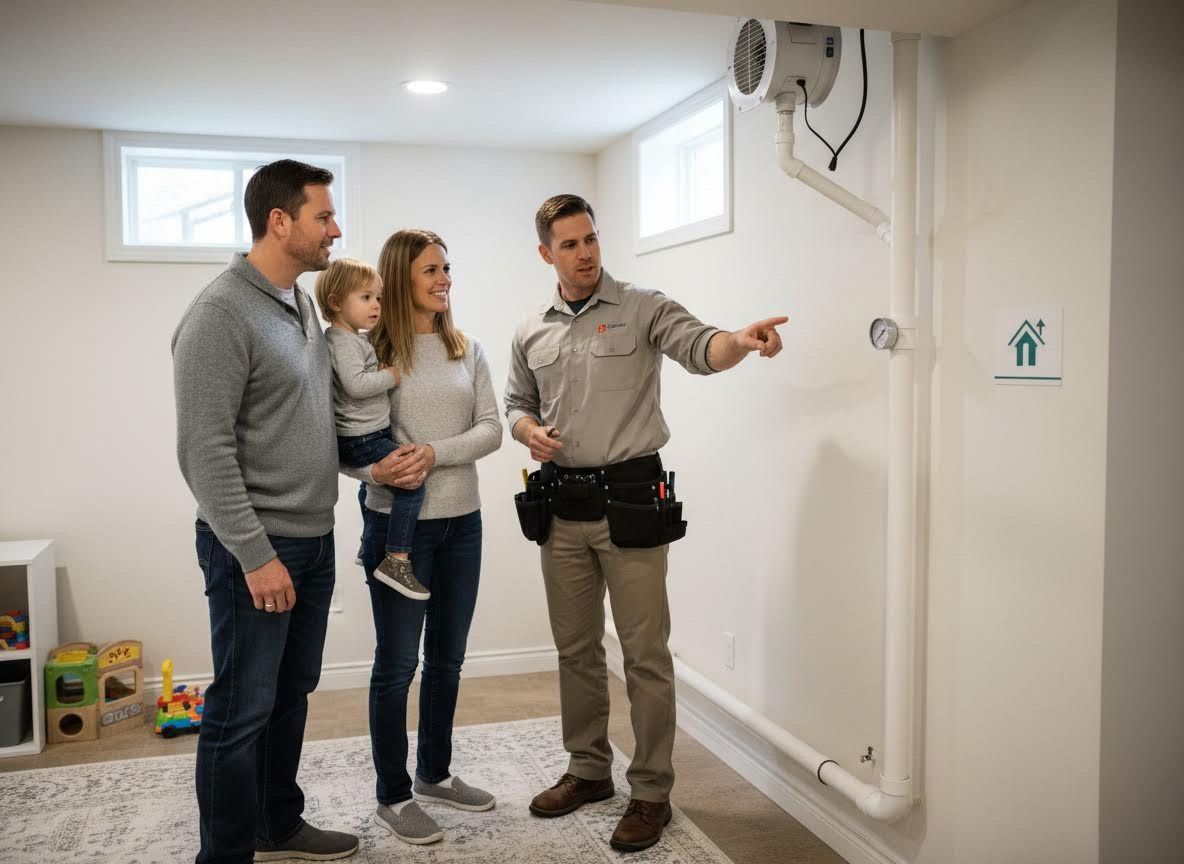
While the initial cost of radon mitigation might seem like an investment, it's essential to consider the long-term benefits and value. Attempting a do-it-yourself approach without proper knowledge or equipment can lead to ineffective results, potentially leaving your property exposed to high radon levels. Professional installers are certified and experienced in diagnosing the specific radon entry points and designing the most effective system for your property. They ensure that all work complies with national and local safety standards, providing peace of mind that your system is installed correctly and will effectively reduce radon levels. This professional expertise not only safeguards your health but can also increase the resale value of your property. Regular radon testing is the first step, and if elevated levels are found, professional mitigation is a crucial health investment.
Conclusion
Understanding the costs associated with radon mitigation involves recognizing the unique characteristics of your property and the necessary components of an effective system. While prices can vary, the investment in a professional radon mitigation system is a vital step toward ensuring the long-term health and safety of your occupants and maintaining your property's value. From initial radon testing to comprehensive residential radon mitigation and commercial radon mitigation solutions, Evergreen Radon is dedicated to providing clear, accurate information and reliable services. To learn more about your options and get an informed estimate for your specific situation, consider reaching out to a qualified professional for a consultation.