
Radon is a naturally occurring radioactive gas that can infiltrate homes and businesses, posing a serious health risk. While its presence is a year-round concern, understanding seasonal radon level fluctuations is crucial for effective management. Factors like weather patterns and building dynamics can significantly influence how much radon enters a structure. Evergreen Radon is committed to helping you understand and address these concerns, ensuring your indoor environment is safe.
The Environmental Dance: Why Radon Levels Shift
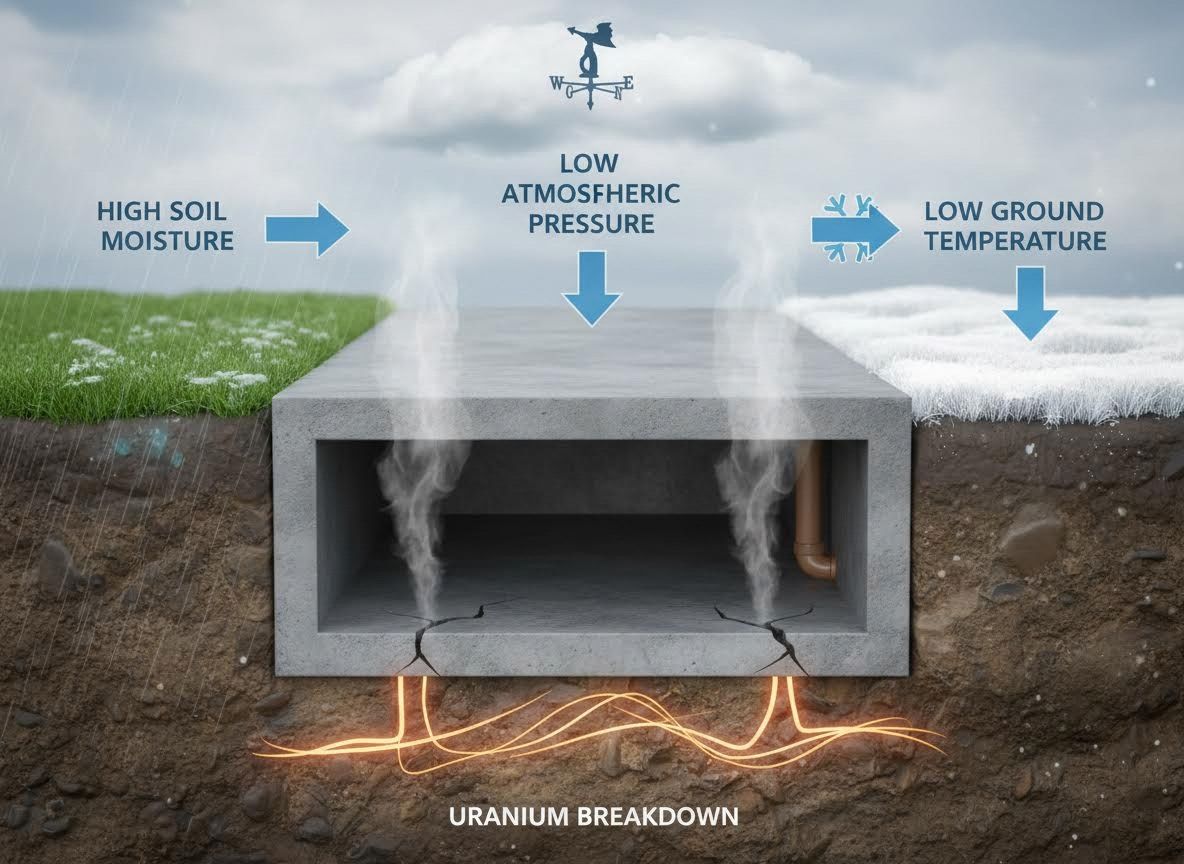
Radon originates from the natural breakdown of uranium in soil and rock. Once formed, it seeps up through the ground and can enter buildings through cracks in foundations, construction joints, or openings around pipes. The rate at which it enters is not constant; it's heavily influenced by environmental conditions. Factors like soil moisture, ground temperature, and atmospheric pressure all play a role in how readily radon gas escapes the ground and enters a building. When the ground is saturated or frozen, or when there's a significant pressure difference between indoors and outdoors, radon can be pushed or pulled into structures more effectively.
Winter's Heightened Risks
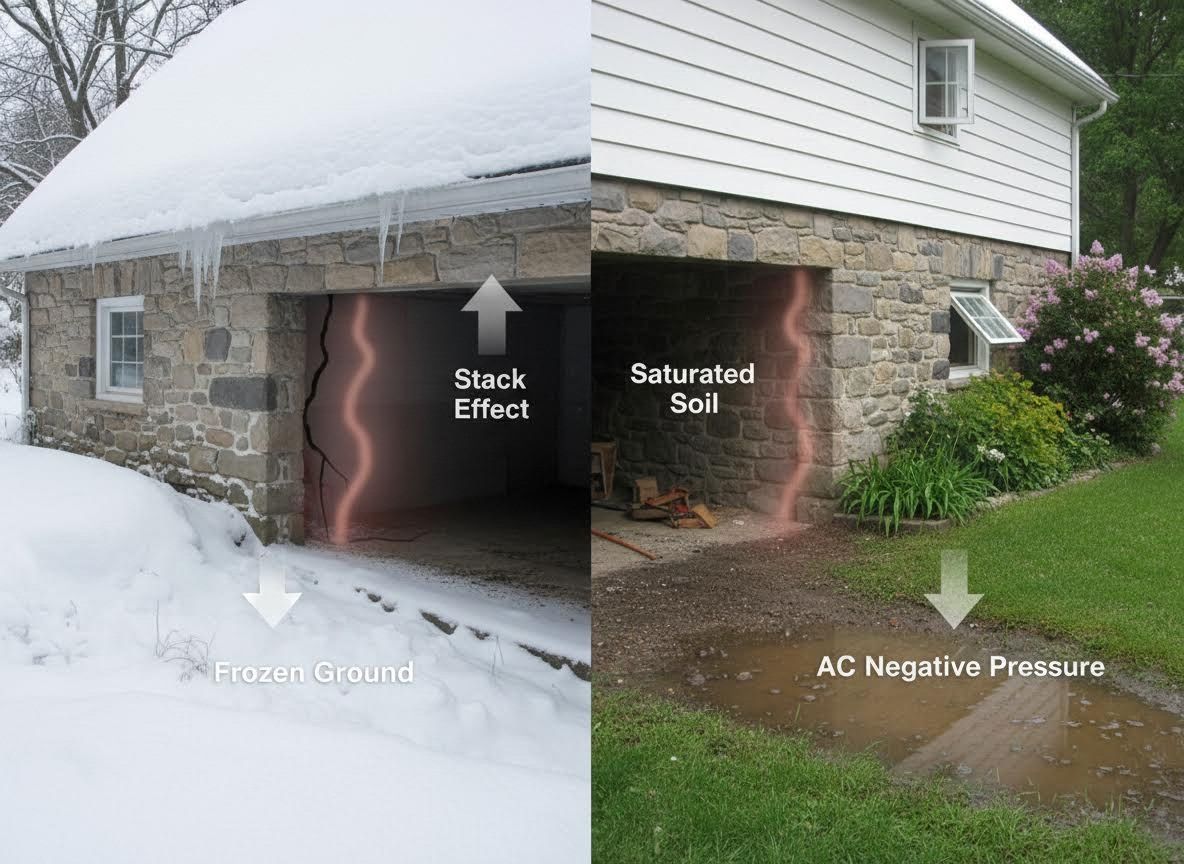
Winter often sees the highest indoor radon concentrations, primarily due to two phenomena: the "stack effect" and frozen ground. In colder months, heated indoor air rises and escapes through upper levels, drawing colder outdoor air, and with it, soil gases like radon, through lower foundations. This creates a vacuum effect that pulls radon into the building. Additionally, frozen ground or heavy snow cover can act as a cap, preventing radon from dissipating into the atmosphere and instead channeling it towards points of entry into homes and businesses. Reduced ventilation from closed windows and doors further allows the gas to accumulate indoors.
Summer's Surprising Factors
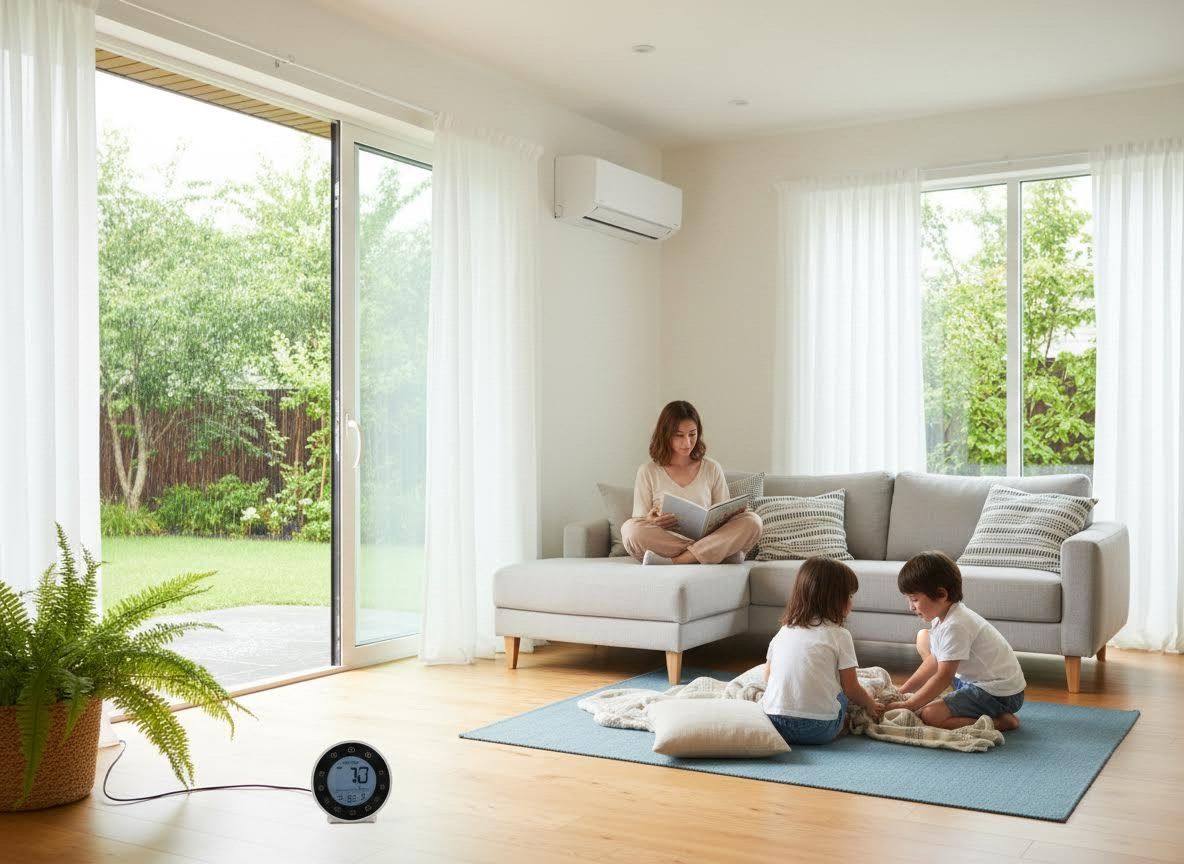
While often associated with lower readings due to increased natural ventilation, summer months can still present significant radon risks. During periods of heavy rainfall, the soil can become saturated, temporarily blocking easy paths for radon to escape into the atmosphere and forcing it to seek alternative routes, such as into your home. Furthermore, the use of air conditioning can create a slight negative pressure inside a building, similar to the stack effect, albeit usually less pronounced than in winter, potentially drawing radon inwards. Therefore, even with warmer temperatures and open windows, it's essential not to become complacent about radon levels.
Protecting Your Property Year-Round
Understanding these seasonal variations underscores the importance of accurate radon testing and effective mitigation strategies. Whether for residential radon mitigation or commercial radon mitigation, ensuring continuous safety requires diligence and expert guidance. By conducting thorough radon testing, you gain critical insight into your property's risk. For detailed information on identifying and addressing radon concerns, including various available testing and mitigation options like free radon testing, we invite you to explore the resources available through Evergreen Radon.